Imagine trying to power the world’s electric vehicle revolution with a material that’s been quietly sitting beneath our feet for millions of years. That’s precisely what’s happening with graphite—a crystalline form of carbon that has become the unsung hero of modern battery technology. Since Sony commercialised lithium-ion batteries in 1991, graphite has maintained an iron grip on the anode market, commanding an impressive 98% market share. Yet, as the electric vehicle industry accelerates towards unprecedented growth, not all graphite is created equal.
The difference between mediocre and exceptional battery performance often comes down to the purity, consistency, and sourcing of the graphite anode material. For procurement managers at battery manufacturing facilities and technology directors overseeing supply chains, understanding these distinctions isn’t just academic—it’s business-critical. With China’s recent export restrictions sending shockwaves through global supply chains and graphite now classified as a critical mineral by major economies, the stakes have never been higher.
This comprehensive guide cuts through the complexity to deliver what you need to know about selecting the best graphite anode materials for global battery production. We’ll explore the technical specifications that separate superior materials from substandard alternatives, examine how vertical integration and transparent supply chains mitigate geopolitical risks, and reveal why purity levels above 95% carbon content aren’t just a nice-to-have—they’re necessary for competitive battery performance. Whether you’re sourcing materials for the next generation of electric vehicles or evaluating suppliers for long-term partnerships, you’ll discover actionable insights that directly impact your bottom line, supply chain resilience, and ESG compliance objectives.
Key Takeaways
Graphite dominates battery anode applications with 98% market share due to its distinctive crystalline structure that enables efficient lithium-ion intercalation, making it irreplaceable in current lithium-ion battery technology.
Purity specifications are critical: Battery-grade graphite requires 95%+ carbon content and less than 5% ash content to maintain optimal electrochemical performance, cycle stability, and manufacturing consistency.
Supply chain diversification is a strategic imperative: China’s dominance in graphite production and recent export restrictions have elevated the importance of geographically diverse suppliers, particularly from emerging sources like Tanzania.
Vertical integration reduces risk: Mine-to-market control eliminates intermediary dependencies, maintains consistent quality, and provides transparent traceability—necessary for ESG compliance and supply chain resilience.
ESG credentials are non-negotiable: Sustainable mining practices, transparent supply chains, and strong social governance standards are increasingly required by regulators, investors, and battery manufacturers seeking responsible sourcing.
Understanding Graphite Anode Materials: Types and Fundamental Properties
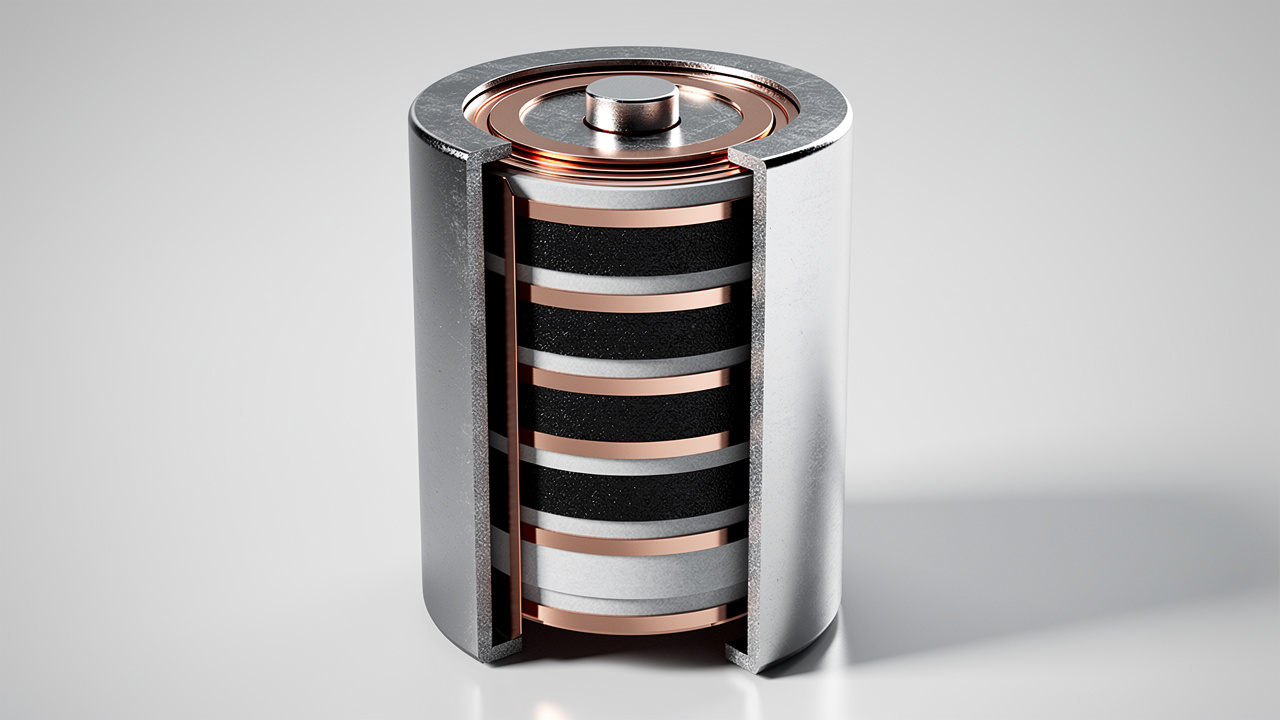
Graphite’s dominance in battery technology stems from its remarkable atomic architecture. At the molecular level, graphite consists of sp2-hybridised carbon atoms arranged in a layered lattice structure. These graphene layers stack like sheets of paper, held together by weak van der Waals forces rather than strong covalent bonds. This seemingly simple arrangement creates the perfect environment for lithium ions to slide between the layers—a process called intercalation.
During the charging phase of a lithium-ion battery, lithium ions migrate from the cathode and nestle between these graphene layers in what researchers call a “rocking chair” mechanism—a process extensively documented in research progress on high-rate lithium-ion battery performance. The ions move back and forth between electrodes through thousands of charge-discharge cycles, with the graphite structure expanding by approximately 10% to accommodate them. When fully charged, the graphite forms Lithium-Graphite Intercalation Compounds, most commonly LiC6, where one lithium atom is stored for every six carbon atoms. This configuration delivers a theoretical capacity of 372 mAh/g.
The beauty of graphite as an anode material extends beyond its intercalation capability. It offers exceptional electrical conductivity, outstanding thermal stability, and structural integrity under extreme conditions. These properties explain why graphite has maintained its market position for over three decades, even as researchers have explored countless alternatives. Whilst graphite typically accounts for 10-20% of a battery’s total weight, its role in determining overall performance is disproportionately significant.
The Solid-Electrolyte Interface (SEI) represents another critical aspect of graphite anode function. This protective layer forms on the graphite surface during the first charge cycle, acting as a selective membrane that allows lithium ions to pass whilst blocking electrons. The formation and stability of this SEI layer directly influence the battery’s longevity, efficiency, and safety characteristics. High-purity graphite with consistent crystalline structure promotes the development of a stable, uniform SEI, which translates to superior cycle life and predictable performance over the battery’s operational lifetime.
Natural Flake Graphite
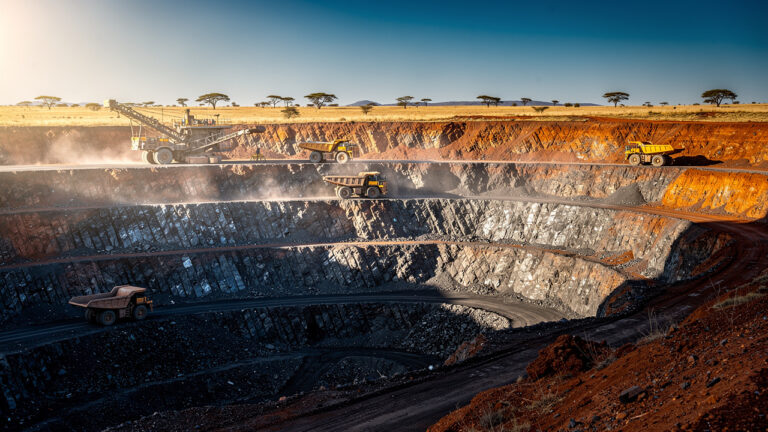
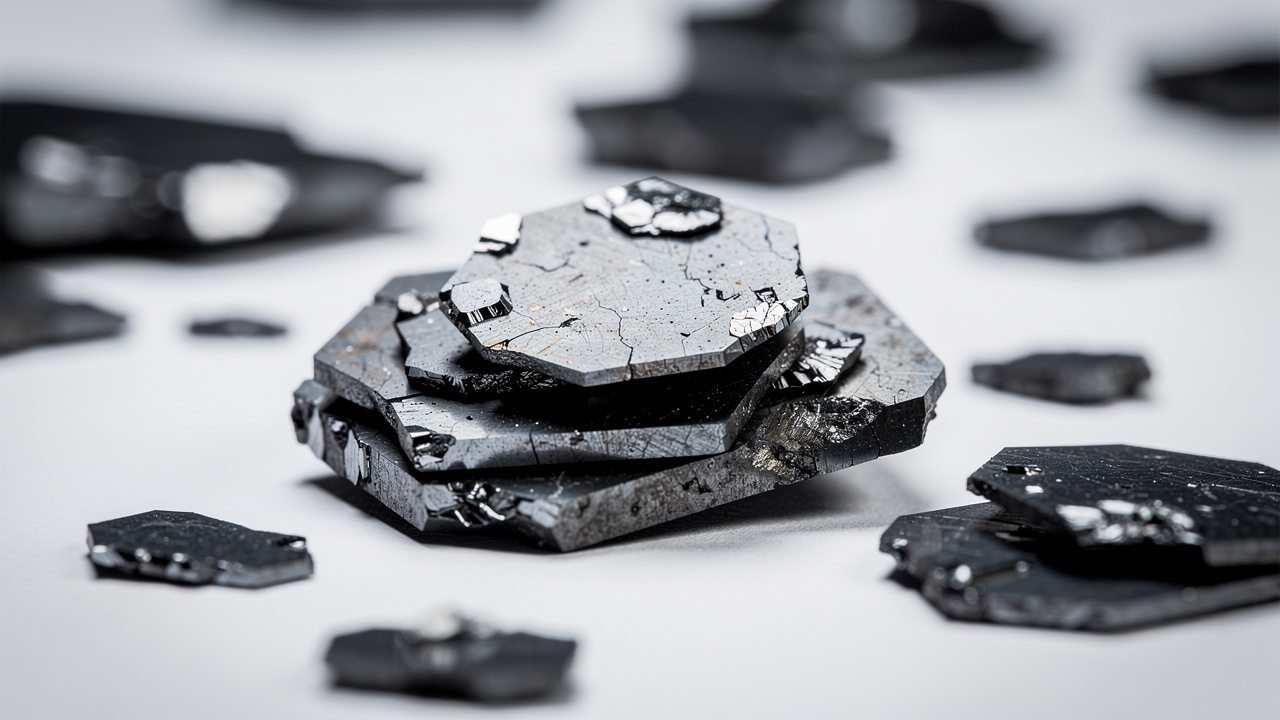
Natural flake graphite is extracted from metamorphic rock deposits formed over millions of years through geological processes. These deposits are found primarily in China, Brazil, India, Madagascar, and Tanzania, with each region producing graphite with slightly different characteristics based on local geology. The extraction process involves crushing the ore, followed by flotation and purification to concentrate the graphite content.
What sets flake graphite apart is its distinctive morphology—flat, plate-like particles with two distinct surfaces: the basal plane and the edge plane, properties that have been central to the success story of graphite as a lithium-ion anode material over three decades. These surfaces exhibit different electrochemical properties, with the edge plane offering faster lithium-ion transport. The natural crystalline structure of flake graphite typically delivers high purity and carbon content straight from the ground, though additional processing is required to transform it into the spherical graphite used in battery anodes.
From a cost perspective, natural flake graphite offers significant advantages over synthetic alternatives. The raw material is already present in nature, eliminating the energy-intensive production steps required for synthetic graphite. However, this cost advantage must be weighed against processing requirements. Raw flake graphite undergoes spheroidisation—a mechanical process that rounds the angular flakes into spheres—followed by purification and coating to meet battery-grade specifications.
Sustainability considerations in natural graphite mining have gained prominence as battery manufacturers face increasing pressure to demonstrate responsible sourcing. Mining operations can impact local ecosystems, water resources, and communities. Progressive suppliers like Chrome Mining Limited address these concerns through sustainable mining practices that minimise environmental disruption whilst providing transparent supply chains. This approach aligns with the ESG objectives of electric vehicle manufacturers and sustainable investment funds that scrutinise the entire battery supply chain.
Synthetic Graphite
Synthetic graphite begins its life as petroleum coke, a byproduct of oil refining. This material undergoes graphitisation—heating to temperatures exceeding 2,800°C in an inert atmosphere—which rearranges the carbon atoms into the layered crystalline structure characteristic of graphite. The entire production process is energy-intensive, contributing to synthetic graphite’s higher cost and larger carbon footprint compared to natural alternatives.
The primary advantage of synthetic graphite lies in its consistency and customisability. Manufacturers can precisely control particle size distribution, crystalline orientation, and surface properties to match specific battery chemistry requirements. This level of control produces graphite with highly uniform characteristics across production batches, reducing variability in battery performance. For applications demanding the absolute highest consistency—such as premium electric vehicles or aerospace applications—synthetic graphite often justifies its premium price.
Synthetic graphite typically demonstrates superior longevity compared to natural alternatives in certain battery chemistries. The highly ordered crystalline structure and absence of natural impurities contribute to more predictable electrochemical behaviour and extended cycle life. These performance benefits make synthetic graphite the preferred choice for manufacturers willing to pay more for improved reliability and longer-lasting batteries.
Market positioning for synthetic graphite centres on high-performance applications where cost takes a back seat to performance. Premium electric vehicle manufacturers, grid-scale energy storage systems requiring decades of reliable operation, and specialised industrial applications represent the core markets. However, as natural graphite processing technology advances and suppliers like Chrome Mining Limited deliver consistently high-purity flake graphite, the performance gap continues to narrow, making natural graphite increasingly competitive even in demanding applications.
Specialised Carbon Materials (MCMB and Composites)
MesoCarbon MicroBeads (MCMB) represent an advanced category of carbon anode materials produced through the thermal treatment of coal tar pitch. The production process creates nearly perfect spheres of graphitic carbon with a distinctive internal structure. These spherical particles pack more efficiently than irregular flakes, increasing the volumetric energy density of the anode and improving the battery’s overall energy storage capability.
The spherical morphology of MCMB delivers tangible benefits in rate capability—the ability of a battery to charge and discharge quickly. The uniform particle shape creates consistent pathways for lithium-ion transport, reducing bottlenecks that can slow down charging. For applications requiring rapid charging, such as electric buses or performance vehicles, MCMB-based anodes offer measurable advantages over conventional graphite.
Silicon-carbon (Si/C) composite anodes represent the cutting edge of anode material development. Silicon offers a theoretical capacity roughly ten times higher than graphite (approximately 3,579 mAh/g for pure silicon versus 372 mAh/g for graphite). However, silicon undergoes massive volume expansion—up to 300%—during lithiation, which can pulverise the anode structure and lead to rapid capacity fade. By combining silicon with graphite, manufacturers create composite materials that capture some of silicon’s high capacity whilst the graphite matrix buffers the expansion and maintains structural integrity.
The trade-offs in Si/C composites centre on balancing energy density gains against cycle life compromises. Current commercial Si/C anodes typically contain 5-15% silicon by weight, delivering 15-30% capacity improvements over pure graphite whilst maintaining acceptable cycle life. Research continues into advanced architectures—such as silicon nanoparticles embedded in porous graphite or silicon-coated graphite particles—that push performance boundaries further. For suppliers of high-purity flake graphite like Chrome Mining Limited, these developments represent opportunities rather than threats, as even advanced composites require premium graphite as their foundational material.
Chrome Mining Limited: High-Purity Flake Graphite From Mine to Market
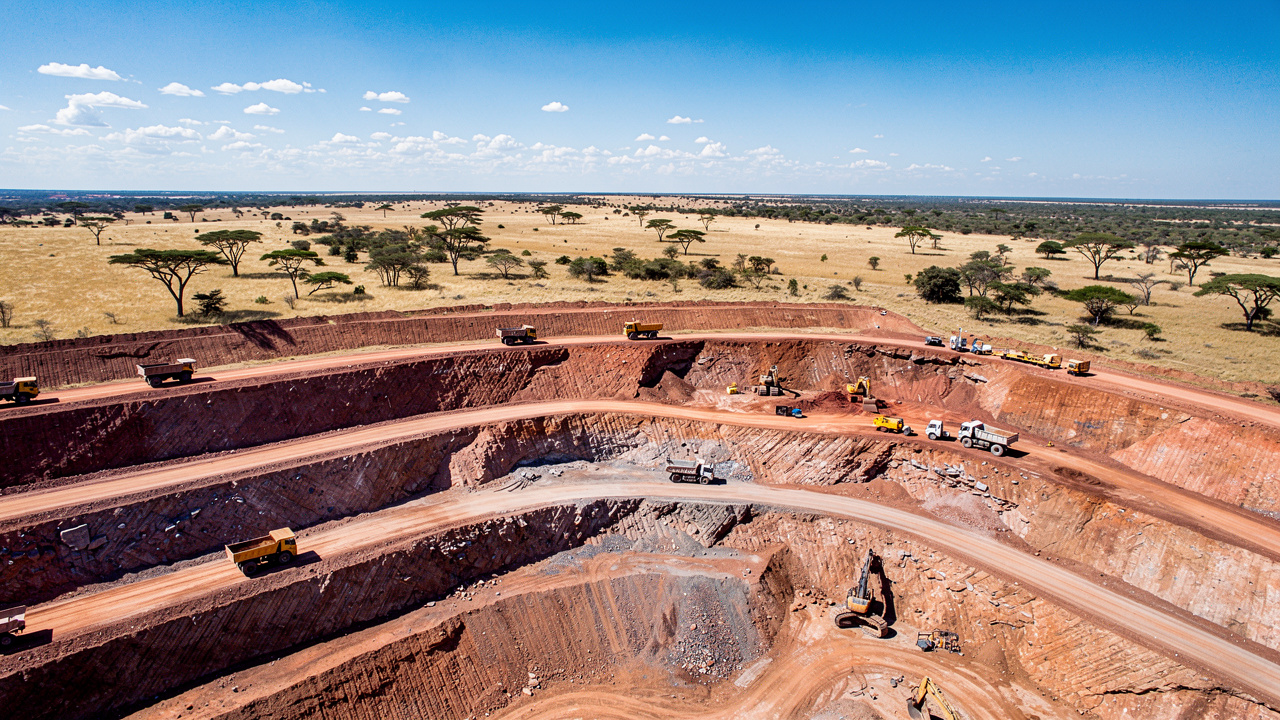
Chrome Mining Limited has established itself as a premier supplier of battery-grade graphite through an unwavering focus on quality, consistency, and supply chain reliability. Our specialisation centres on high-purity flaked graphite specifically engineered for battery anode applications, where material specifications directly determine battery performance and longevity. Operating from strategically located facilities in Tanzania, we’ve built a reputation for delivering graphite that meets the most stringent requirements of global battery manufacturers.
Our product specifications tell the story of our commitment to excellence: 95%+ carbon content and less than 5% ash content. These aren’t arbitrary numbers—they represent the threshold where graphite transitions from industrial-grade to battery-grade material. The 95% carbon content maintains maximum availability of intercalation sites for lithium ions, directly translating to higher battery capacity. The sub-5% ash content minimises impurities that can interfere with electrochemical reactions, destabilise the Solid-Electrolyte Interface, and reduce cycle life.
These specifications are particularly critical for the production of spherical graphite, the form factor required for modern battery anodes. During spheroidisation, the flake graphite undergoes mechanical processing that rounds the angular particles into spheres. Starting with high-purity flake graphite significantly reduces the purification steps required after spheroidisation, lowering processing costs and energy consumption whilst maintaining superior quality. Battery manufacturers working with our material report consistent processing behaviour and predictable performance characteristics—necessary factors when producing millions of cells with tight tolerances.
Tanzania’s emergence as a strategic graphite source offers compelling advantages for global supply chain diversification. The country’s geological formations contain high-quality flake graphite deposits with favourable mineralogy, whilst the political and business environment supports responsible mining operations. Our presence in Tanzania positions us at the intersection of quality geology and strategic geography, offering battery manufacturers a viable alternative to concentrated supply sources. This geographic positioning has become increasingly valuable as procurement managers seek to reduce dependency on single-source suppliers and mitigate geopolitical risks.
Vertically Integrated Operations: Supply Chain Reliability
Our mine-to-market approach represents a fundamental competitive advantage in an industry plagued by supply chain vulnerabilities. By maintaining control over every stage—from extraction through processing to final delivery—we eliminate the intermediary dependencies that introduce quality variability, delivery delays, and supply disruptions. This vertical integration isn’t just about operational efficiency; it’s about providing our customers with the supply chain certainty they need to plan production schedules and meet their own delivery commitments.
Quality assurance begins at the mine face and continues through every processing step. Our geologists select ore based on mineralogical characteristics that predict final product quality. Our processing facilities employ real-time monitoring and quality control protocols that catch deviations before they affect the final product. This end-to-end visibility allows us to maintain the consistency that battery manufacturers demand—batch-to-batch variation in carbon content, particle size distribution, and impurity profiles stays within tight tolerances that support predictable battery performance.
The elimination of intermediary dependencies carries strategic significance beyond quality control. Traditional graphite supply chains often involve multiple handoffs: miners sell to traders, traders sell to processors, processors sell to distributors, and distributors sell to manufacturers. Each handoff introduces risk—the risk of supply interruption if any party faces financial difficulties, the risk of quality degradation if material is mishandled, and the risk of opacity that makes tracing problems back to their source nearly impossible. Our integrated model collapses this chain into a single, transparent relationship between mine and manufacturer.
“In an industry where supply chain disruptions can halt production lines worth billions, vertical integration isn’t a luxury—it’s a necessity for maintaining competitive advantage.”
Geopolitical disruptions and export restrictions have exposed the fragility of fragmented supply chains. When a major producing country implements export controls, companies dependent on multi-tier supply chains often find themselves unable to identify alternative sources quickly because they lack direct relationships with producers. Our customers benefit from direct access to the source, with transparent communication about production capacity, inventory levels, and any factors that might affect supply. This transparency enables proactive planning rather than reactive scrambling when market conditions shift.
Sustainable Mining Practices and ESG Compliance
Environmental responsibility isn’t an afterthought in our operations—it’s embedded in our operational design from the outset. We implement sustainable mining practices that minimise land disturbance, protect water resources, and reduce energy consumption throughout the extraction and processing cycle. These practices align directly with the ESG objectives of electric vehicle battery manufacturers who face increasing scrutiny from regulators, investors, and consumers about the environmental footprint of their supply chains.
Our transparent supply chains provide full traceability from the specific mining location through every processing step to final delivery. This traceability isn’t just good practice—it’s becoming a regulatory requirement. The EU Battery Regulation, for instance, mandates supply chain due diligence and carbon footprint disclosure for batteries sold in European markets. Battery manufacturers working with Chrome Mining Limited can confidently demonstrate the provenance of their graphite, satisfying regulatory requirements whilst supporting their own sustainability reporting.
Social governance standards extend beyond environmental considerations to encompass labour practices, community engagement, and economic development in the regions where we operate. We maintain fair labour practices, provide worker safety through rigorous protocols, and engage with local communities to make certain our operations contribute positively to regional development. These social dimensions of ESG are increasingly important to sustainable investment funds and socially conscious manufacturers who recognise that true sustainability encompasses environmental, social, and governance factors equally.
The competitive advantage of strong ESG credentials manifests in multiple ways:
Battery manufacturers under pressure to demonstrate ethical sourcing find in Chrome Mining Limited a supplier whose practices withstand scrutiny
Sustainable investment funds evaluating battery companies assess supply chain sustainability as a material risk factor—manufacturers with responsibly sourced materials score higher in these assessments
Brand reputation in the electric vehicle market increasingly depends on the ability to tell a compelling sustainability story, and that story must be backed by verifiable practices throughout the supply chain
Our commitment to sustainable operations and transparent reporting provides the foundation for these narratives.
Critical Specifications: Purity Levels and Battery Performance
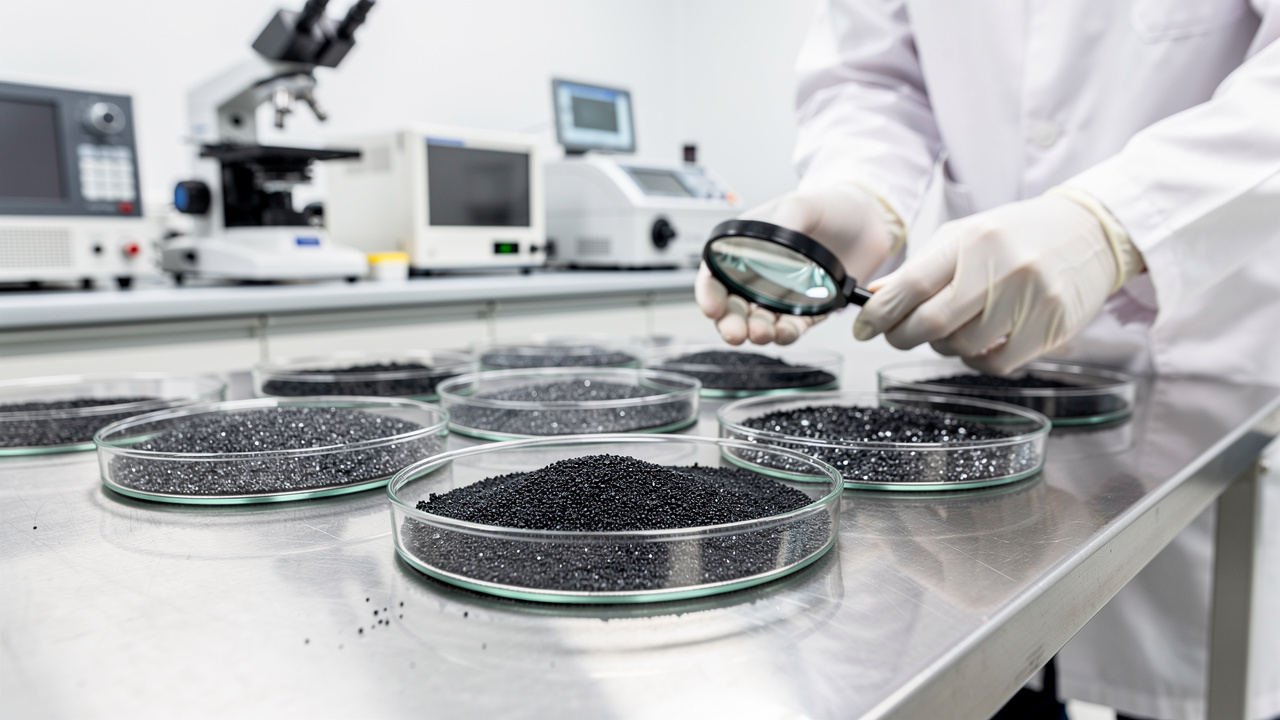
The relationship between graphite purity and battery performance is direct, measurable, and unforgiving. Every percentage point of carbon content below the 95% threshold represents lost capacity, reduced efficiency, and compromised longevity. For battery manufacturers operating on razor-thin margins in a brutally competitive market, these performance losses translate directly to reduced competitiveness. Understanding why purity matters requires examining what happens at the atomic level when impurities interfere with the electrochemical processes that store and release energy.
Impurities in graphite—whether metal oxides, silicates, or other contaminants—occupy space that could otherwise accommodate lithium ions. More insidiously, they can interfere with the formation of the Solid-Electrolyte Interface, creating weak points where the protective layer becomes unstable. This instability leads to continuous electrolyte decomposition, progressive capacity loss, and shortened cycle life. In extreme cases, impurities can create localised hotspots that contribute to thermal runaway scenarios, the catastrophic failure mode that battery manufacturers work tirelessly to prevent.
Industry benchmarks for battery-grade graphite have converged around 95%+ carbon content for good reason—this threshold represents the point where impurity levels become low enough that their impact on performance falls within acceptable tolerances. Leading battery manufacturers including Tesla, CATL, and LG Energy Solution specify similar purity requirements in their supplier qualification standards. These specifications aren’t arbitrary; they’re based on extensive testing that correlates material purity with battery performance metrics across thousands of charge-discharge cycles.
Ash content serves as a proxy measure for the total impurity burden in graphite. The ash content specification—ideally below 5%—captures the residue remaining after complete combustion of the carbon. This residue consists of metal oxides, silicates, and other non-combustible materials that contribute nothing to battery performance whilst introducing the problems described above. Chrome Mining Limited’s consistent achievement of sub-5% ash content reflects both the favourable mineralogy of our Tanzanian deposits and the effectiveness of our purification processes.
Carbon Content and Electrochemical Capacity
The theoretical capacity calculation for graphite anodes begins with the LiC6 stoichiometry—one lithium atom for every six carbon atoms. This ratio yields a theoretical capacity of 372 mAh/g, representing the maximum energy storage achievable with perfect graphite. In practice, real-world capacity falls short of this theoretical maximum due to various factors, but starting with high-purity graphite minimises the gap between theoretical and achievable performance.
Impurities reduce capacity through multiple mechanisms:
They occupy volume without contributing to lithium storage
They disrupt the crystalline structure, creating regions where lithium intercalation becomes difficult or impossible
They consume lithium ions during SEI formation, increasing the first-cycle irreversible capacity loss—the portion of lithium that becomes permanently trapped and unavailable for subsequent cycles
Each of these mechanisms chips away at the usable capacity, and their effects are cumulative.
Real-world capacity losses due to sub-optimal purity levels can be substantial. Graphite with 90% carbon content instead of 95% doesn’t simply lose 5% capacity—the impact is often larger due to the compounding effects of impurities on multiple performance parameters. Battery manufacturers conducting qualification testing routinely observe 10-15% capacity differences between high-purity and moderate-purity graphite samples, even when both fall within nominally acceptable ranges. These differences become magnified over hundreds of cycles as the effects of impurities on SEI stability manifest.
Consistent carbon content across production batches matters as much as the absolute purity level. Battery manufacturing requires tight process control, with electrode formulations optimised for specific material characteristics. Batch-to-batch variation in graphite purity forces manufacturers to either accept performance variation in their batteries or invest in extensive incoming material testing and formulation adjustments. Suppliers like Chrome Mining Limited who maintain consistent specifications eliminate this source of variability, simplifying manufacturing and improving yield rates.
Ash Content and Processing Implications
Ash content represents the non-carbon impurities present in graphite—primarily silicates, metal oxides, and other mineral contaminants. The composition of this ash varies depending on the geological source and processing methods, but its presence universally degrades battery performance. Understanding the specific impacts of ash content helps explain why the sub-5% specification has become an industry standard for battery-grade material.
The impact on SEI formation represents one of the most significant concerns with high ash content. The SEI layer must form uniformly across the graphite surface to function effectively as a selective membrane. Impurities create heterogeneities—regions where the SEI forms differently or remains unstable. These weak points in the SEI allow continued electrolyte decomposition, consuming active lithium and generating gas that can cause cell swelling. Over extended cycling, these effects accumulate, leading to accelerated capacity fade and shortened battery life.
Processing challenges introduced by high ash content extend beyond the battery manufacturer to affect the entire value chain. Spheroidisation of high-ash flake graphite requires more aggressive mechanical treatment, increasing energy consumption and equipment wear. Subsequent purification steps—often involving chemical treatments or high-temperature processing—become more intensive and costly. By starting with low-ash flake graphite like that produced by Chrome Mining Limited, downstream processors reduce both processing costs and environmental impact whilst achieving superior final product quality.
The cost implications of processing high-ash graphite often surprise procurement managers focused solely on raw material price. A lower-priced graphite with 8% ash content may require twice the purification effort compared to material with 4% ash content. When processing costs, yield losses, and quality risks are factored in, the apparently cheaper material frequently proves more expensive on a total cost of ownership basis. This economic reality explains why sophisticated battery manufacturers increasingly specify not just carbon content but also ash content limits in their supplier requirements.
Purity Standards for Global Markets
Leading electric vehicle battery manufacturers have converged on similar purity specifications, reflecting the fundamental physics of lithium-ion battery operation. Tesla’s battery specifications, whilst proprietary in detail, are understood to require graphite with carbon content exceeding 95% and ash content below 5%. CATL, the world’s largest battery manufacturer, maintains similar standards. LG Energy Solution’s supplier qualification requirements explicitly state these thresholds. This convergence simplifies the supplier landscape—graphite meeting these specifications qualifies for consideration by virtually all major battery manufacturers globally.
Regional variations in quality standards are less about technical requirements and more about regulatory and certification frameworks. North American markets increasingly emphasise supply chain transparency and domestic content requirements, driven by policies like the US Inflation Reduction Act. European markets place heavy emphasis on carbon footprint disclosure and ESG compliance, reflecting the EU Battery Regulation’s comprehensive sustainability requirements. Asian markets, whilst technically sophisticated, often prioritise cost-effectiveness alongside performance, creating opportunities for suppliers who can deliver high purity at competitive prices.
Certification and testing protocols for battery-grade graphite have become increasingly standardised. Industry-standard tests include:
Carbon content analysis via combustion methods
Ash content determination through controlled burning
Particle size distribution measurement using laser diffraction
Electrochemical performance testing in coin cells
Third-party testing laboratories provide independent verification, giving battery manufacturers confidence in supplier claims. Chrome Mining Limited’s material consistently passes these rigorous tests, with certificates of analysis accompanying every shipment to provide documented proof of specifications.
Chrome Mining Limited’s 95%+ carbon content and sub-5% ash content specifications don’t just meet global standards—they exceed them with margin to spare. This margin provides insurance against batch-to-batch variation and confirms that even material at the lower end of our specification range remains comfortably within customer requirements. For procurement managers evaluating suppliers, this consistent over-delivery on specifications translates to reduced incoming inspection requirements, fewer quality holds, and smoother manufacturing operations.
Technical Performance Factors in Graphite Anode Selection
Selecting graphite anode materials requires balancing multiple performance parameters that often pull in opposite directions. Rate capability, cycle life, first-cycle efficiency, and thermal stability each depend on different material characteristics, and optimising for one parameter may compromise another. Understanding these trade-offs enables procurement managers and technology directors to match graphite specifications to specific battery applications, making certain that material selection aligns with end-use requirements.
The key performance indicators for graphite anodes reflect the diverse demands placed on batteries across different applications. Electric vehicles require high energy density for extended range, fast-charging capability for user convenience, and long cycle life to justify the vehicle’s cost. Grid-scale energy storage systems prioritise cycle life and safety over energy density, as space constraints are less severe. Consumer electronics demand compact batteries with high power density for rapid discharge. Each application profile suggests different optimal graphite characteristics.
Material selection impacts overall battery design in ways that extend beyond the anode itself. The choice of graphite influences the optimal cathode chemistry, electrolyte formulation, and separator specifications. High-rate graphite anodes enable the use of high-nickel cathodes that deliver superior energy density but require careful thermal management. Long-life graphite supports battery designs optimised for grid storage where replacement costs drive total cost of ownership. This systems-level perspective explains why battery manufacturers invest heavily in material qualification—the graphite selection reverberates throughout the entire battery design.
Matching graphite specifications to specific battery chemistries and use cases represents a core competency for successful battery manufacturers. Lithium iron phosphate (LFP) batteries, popular in cost-sensitive applications, pair well with natural flake graphite that offers excellent cycle life at moderate cost. Nickel-manganese-cobalt (NMC) batteries in premium electric vehicles often specify synthetic or highly processed natural graphite for maximum consistency. Understanding these pairings helps procurement teams source materials that deliver optimal performance for their specific applications.
Rate Capability and Fast-Charging Performance

Graphite’s role as the primary bottleneck for fast-charging applications stems from the kinetics of lithium-ion intercalation. Moving lithium ions from the electrolyte into the graphite structure requires overcoming activation energy barriers. At high charging rates, these kinetic limitations become severe—lithium ions arrive at the graphite surface faster than they can intercalate into the structure. The result is lithium plating, where metallic lithium deposits on the graphite surface instead of intercalating between the layers.
Lithium plating represents more than just a performance issue—it’s a serious safety concern. Metallic lithium is highly reactive and can form dendrites, needle-like structures that grow from the anode towards the cathode. If a dendrite penetrates the separator, it creates an internal short circuit that can trigger thermal runaway. This safety risk explains why battery manufacturers impose strict limits on charging rates, and why improving the rate capability of graphite anodes remains a high-priority research area.
Particle size, morphology, and surface area profoundly affect ion transport kinetics, as demonstrated in a study on high-rate lithium-ion battery performance that correlates these material properties with fast-charging capabilities. Smaller particles offer shorter diffusion distances for lithium ions, improving rate capability. Spherical morphology provides more uniform current distribution compared to irregular flakes, reducing localised hotspots that promote plating. Higher surface area increases the number of sites where lithium can enter the graphite structure, distributing the intercalation load more evenly. However, higher surface area also increases SEI formation, consuming more lithium and reducing first-cycle efficiency—one of many trade-offs in anode design.
Microstructure optimisation through advanced processing techniques offers pathways to improved rate performance without sacrificing other parameters. Magnetic alignment of graphite flakes can orient the particles to present their edge planes—the fast-intercalation surfaces—preferentially towards the electrolyte. Surface engineering and coating strategies create modified surfaces that facilitate lithium-ion transport whilst maintaining structural integrity. These advanced approaches, often applied to high-purity flake graphite from suppliers like Chrome Mining Limited, enable fast-charging capabilities that approach the limits of what’s possible with graphite-based anodes.
Cycle Stability and Longevity
The Solid-Electrolyte Interface (SEI) formation and evolution governs the long-term stability of graphite anodes. During the first charge cycle, electrolyte molecules decompose on the graphite surface, forming a solid layer composed of lithium salts and organic compounds. This SEI layer must be ionically conductive (allowing lithium ions to pass) whilst being electronically insulating (blocking electrons that would cause continued electrolyte decomposition). The quality and stability of this initial SEI formation largely determines the battery’s subsequent cycle life.
First-cycle irreversible capacity loss occurs because some lithium ions become permanently incorporated into the SEI rather than remaining available for subsequent charge-discharge cycles. This loss typically ranges from 5-15% of the initial capacity, depending on graphite characteristics and electrolyte formulation. High-purity graphite with consistent surface chemistry promotes uniform SEI formation, minimising this irreversible loss. Impurities and surface defects create heterogeneous SEI layers that consume more lithium and remain less stable over time.
Structural integrity of graphite particles under repeated lithium intercalation determines whether the anode can withstand thousands of cycles without degradation. Each charge cycle causes approximately 10% volume expansion as lithium ions force the graphene layers apart. This expansion and subsequent contraction during discharge creates mechanical stress. Low-quality graphite with structural defects or weak crystalline structure can crack or pulverise under this repeated stress, exposing fresh surfaces that require new SEI formation and consume additional lithium.
Purity and crystallinity directly affect long-term stability through multiple mechanisms. High carbon content maintains that the graphite structure remains predominantly crystalline, with strong in-plane bonding that resists mechanical degradation. Low ash content reduces the presence of impurities that can catalyse unwanted side reactions or create weak points in the structure. The consistent high purity of Chrome Mining Limited’s graphite contributes to superior cycle life, with battery manufacturers reporting stable capacity retention over thousands of cycles in qualification testing.
Safety Considerations and Thermal Management
Dendrite formation represents the most serious safety risk associated with graphite anodes. Under conditions that promote lithium plating—high charging rates, low temperatures, or aged batteries with degraded anodes—metallic lithium can form dendritic structures that grow towards the cathode. These dendrites can pierce the separator, creating an internal short circuit. The resulting current flow generates heat, potentially triggering thermal runaway where the battery temperature rises uncontrollably, leading to fire or explosion.
Thermal runaway scenarios involving graphite anodes typically begin with an initiating event—an internal short circuit, external heating, or mechanical damage. Once initiated, exothermic reactions become self-sustaining. The SEI layer decomposes, releasing heat and flammable gases. The electrolyte decomposes, releasing more heat. The cathode material breaks down, releasing oxygen that feeds combustion. Whilst graphite itself is relatively stable, its role in these cascading failures makes understanding its thermal behaviour critical for battery safety design.
Temperature-dependent performance characteristics of graphite anodes create operational constraints for battery systems. At low temperatures, lithium-ion diffusion kinetics slow dramatically, reducing both capacity and rate capability whilst increasing the risk of lithium plating during charging. At high temperatures, unwanted side reactions accelerate, consuming lithium and degrading the SEI. Battery thermal management systems must maintain operating temperatures within a relatively narrow window—typically 15-35°C—to optimise performance whilst maintaining safety and longevity.
Consistent material properties enable predictable thermal behaviour, which is necessary for designing strong battery thermal management systems. Batch-to-batch variation in graphite characteristics introduces uncertainty in thermal models, forcing engineers to design with larger safety margins that compromise performance. High-purity graphite with consistent specifications from reliable suppliers like Chrome Mining Limited allows more aggressive optimisation of thermal management systems, extracting maximum performance whilst maintaining safety.
Supply Chain Security and Geopolitical Considerations

The concentration of graphite production and processing in a single country represents one of the most significant strategic vulnerabilities in the global battery supply chain. China’s dominance extends across the entire value chain—from mining natural graphite to producing synthetic graphite to processing both into battery-grade spherical graphite. This vertical integration within a single nation creates systemic risk that has captured the attention of policymakers, military strategists, and corporate executives worldwide.
Recent export restrictions implemented by China have changed graphite from an obscure industrial mineral into a geopolitical flashpoint. These restrictions, ostensibly implemented for environmental and resource conservation reasons, have practical effects that extend far beyond China’s borders. Battery manufacturers outside China face potential supply disruptions, price volatility, and uncertainty that complicates long-term planning. The restrictions have accelerated efforts to develop alternative supply sources and reduce dependency on Chinese graphite.
The classification of graphite as a critical mineral by major economies reflects its strategic importance. The United States, European Union, United Kingdom, and other nations have designated graphite as necessary for economic security and national defence. This classification triggers policy responses including funding for domestic mining and processing capacity, stockpiling programmes, and diplomatic efforts to secure supply from allied nations. For battery manufacturers, this geopolitical attention creates both risks and opportunities.
The strategic imperative for battery manufacturers centres on supply chain diversification. Relying on a single geographic source—regardless of how reliable it has been historically—creates unacceptable risk in an industry where supply disruptions can halt production lines and strand billions of pounds in manufacturing capacity. Diversification requires identifying, qualifying, and building relationships with suppliers in multiple regions, a process that takes years but provides insurance against geopolitical shocks.
China’s Market Dominance and Export Controls
China’s share in graphite mining exceeds 60% of global natural graphite production, but its dominance in processing is even more pronounced. Approximately 90% of battery-grade spherical graphite is produced in China, reflecting decades of investment in processing capacity and technical expertise. This processing dominance means that even graphite mined elsewhere often travels to China for conversion into battery-grade material, creating dependency that extends beyond primary production.
The timeline of Chinese export restrictions on graphite products began with environmental crackdowns that reduced domestic production capacity, creating supply tightness and price increases. More recently, explicit export controls on certain graphite products have been implemented, requiring licenses for export and creating uncertainty about future availability. Whilst the full impact of these controls continues to unfold, they have already prompted battery manufacturers to accelerate diversification efforts and governments to fund alternative supply chain development.
Impact on global pricing and availability has been immediate and substantial. Graphite prices have experienced volatility unseen in previous decades, with spot prices for battery-grade material spiking during periods of supply uncertainty. Long-term contract prices have risen as buyers seek to secure supply, and many manufacturers report difficulty sourcing material at any price during peak demand periods. This pricing pressure flows through to battery costs, affecting the economics of electric vehicle production and energy storage deployment.
Responses from Western governments and battery manufacturers have been swift and substantial. The US Inflation Reduction Act includes provisions favouring batteries with domestically sourced or allied-nation-sourced materials. European governments have funded graphite processing facilities to reduce import dependency. Battery manufacturers including Tesla have announced plans to vertically integrate into graphite production or signed long-term supply agreements with non-Chinese producers. These responses signal a fundamental restructuring of graphite supply chains that will unfold over the coming decade.
Tanzania and African Graphite Resources
Tanzania’s graphite deposits rank amongst the highest quality globally, with flake graphite characterised by high carbon content, large flake size, and favourable mineralogy. The country’s Mahenge region in particular hosts world-class deposits that have attracted international investment and development. Geological surveys suggest Tanzania could become one of the world’s top graphite producers, providing a strategic alternative to Asian sources.
Quality characteristics of Tanzanian flake graphite align exceptionally well with battery anode requirements. The natural carbon content often exceeds 95% even before intensive purification, and the flake size distribution is ideal for spheroidisation. Chrome Mining Limited’s operations in Tanzania take advantage of these geological advantages, producing material that meets battery-grade specifications with less processing intensity than graphite from many other sources. This natural quality advantage translates to lower processing costs and reduced environmental impact.
Political stability and investment climate in Tanzania have improved significantly over the past decade, with the government implementing policies to attract foreign investment in the mining sector. Transparent regulatory frameworks, reasonable taxation, and infrastructure development have created conditions conducive to long-term mining operations. For battery manufacturers evaluating supply chain diversification, Tanzania’s combination of geological endowment and improving business environment presents a compelling opportunity.
Infrastructure development supporting mining operations continues to advance, with improvements to roads, ports, and power supply reducing the logistical challenges that historically limited African mineral exports. Chrome Mining Limited’s strategic positioning within this developing infrastructure enables reliable delivery to global markets, with established logistics chains connecting