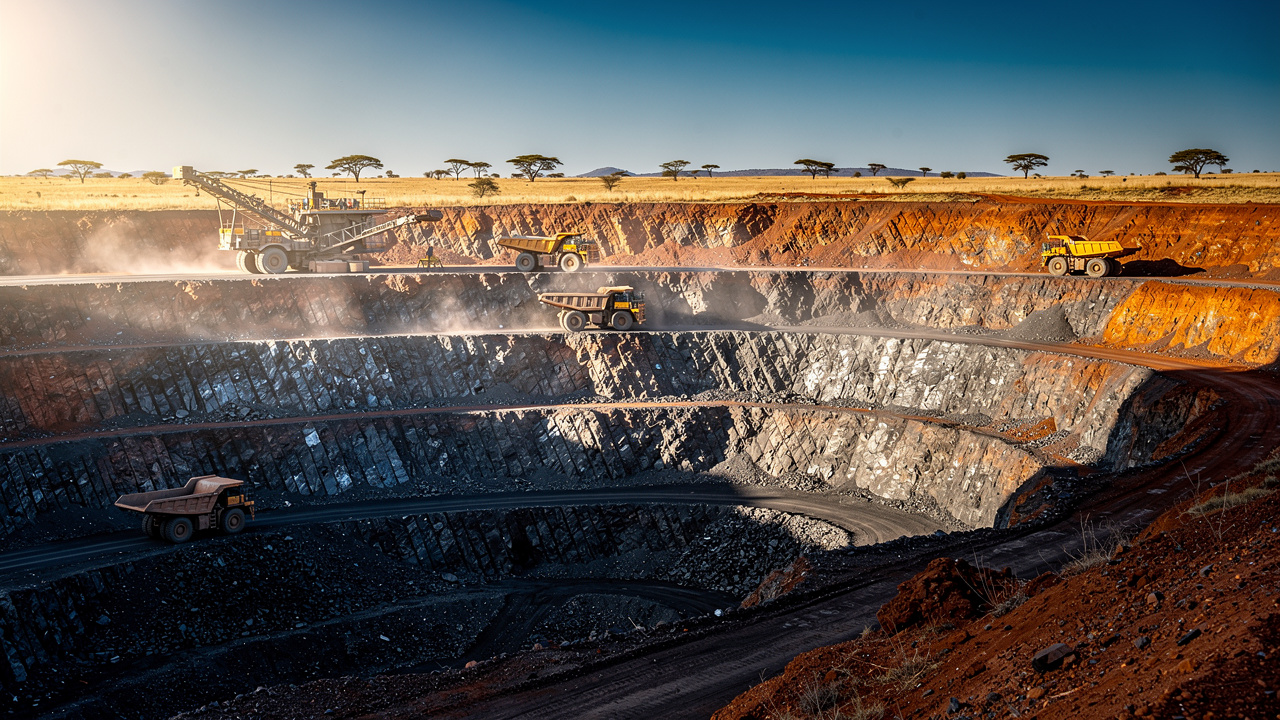
The global battery supply chain is undergoing a fundamental restructuring. Manufacturers and investors are aggressively diversifying away from single-region dominance to secure the raw materials essential for the green energy transition. Tanzania has emerged as a critical player in this shift, offering vast, high-grade graphite deposits that provide a reliable alternative to traditional sources.
For anode producers, the objective is precise: obtaining a reliable supply of carbon that reaches 99.9% purity after refining. This standard is non-negotiable for the lithium-ion batteries powering electric vehicles (EVs). According to the International Energy Agency, graphite demand for EV batteries is projected to grow by 20-30 times between 2020 and 2030.
Securing this material requires more than just identifying a mine on a map. Success involves building a shortened, transparent supply chain that minimizes shipping delays and drastically reduces the carbon footprint associated with raw material transport. The challenge lies not in finding graphite—which is abundant—but in securing refined, battery-grade material capable of performing under intense thermal and electrochemical stress.
Most procurement officers encounter difficulties distinguishing between low-purity industrial ore and the specific flake structures required for high-performance applications. Without a strategic approach to sourcing, manufacturers risk supply bottlenecks and inconsistent material quality that can derail production timelines. The stakes are particularly high as production scales from 9,000 tonnes in 2024 to a projected 40,000 tonnes by 2040, making early partnerships with reliable suppliers essential for long-term competitiveness.
Understanding Tanzania’s Graphite Geological Advantages

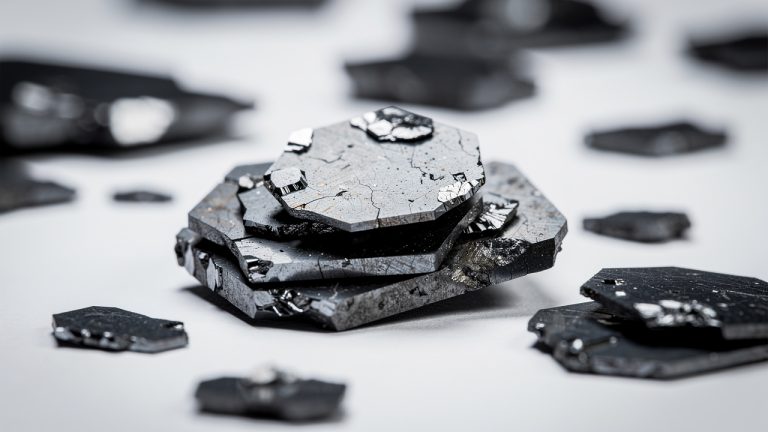
Tanzania’s emergence as a strategic graphite supplier stems from geological formations that distinguish it from other global sources, with Africa’s Growing Graphite Mining potential attracting significant international investment and research attention. The country’s graphite deposits are primarily hosted in metamorphic rocks—including marble, schist, and gneiss—which formed under intense heat and pressure over millions of years. This geological history has created crystalline graphite with a layered graphene structure that delivers exceptional performance characteristics.
The crystalline structure provides several technical advantages that directly impact battery performance. The layered arrangement of carbon atoms creates superior electrical conductivity, allowing electrons to flow efficiently through the anode material. This same structure offers outstanding thermal resilience, enabling the material to withstand the intense heat cycles that occur during rapid charging and discharging. The chemical stability of Tanzanian graphite means it remains unreactive in the harsh electrochemical environment inside a lithium-ion cell, extending battery lifespan.
What sets Tanzania apart is the concentration of high-grade deposits across multiple regions:
The Morogoro region hosts deposits with Total Graphitic Carbon (TGC) levels ranging from 7.2% to over 10%, significantly higher than many competing sources
The Mtwara region contains one of the world’s largest single deposits at 461 million tonnes
The Tanga region has become a high-volume production hub with operations currently processing upwards of 25,000 tonnes per month
These geological advantages translate directly into processing efficiency. Higher natural grades require less energy and fewer chemicals to reach concentrate specifications, reducing both costs and environmental impact. The flake integrity preserved in Tanzanian deposits means less breakage during liberation, yielding higher percentages of premium large flakes that command price premiums in the market.
Evaluate Geological Quality and Flake Size Distributions
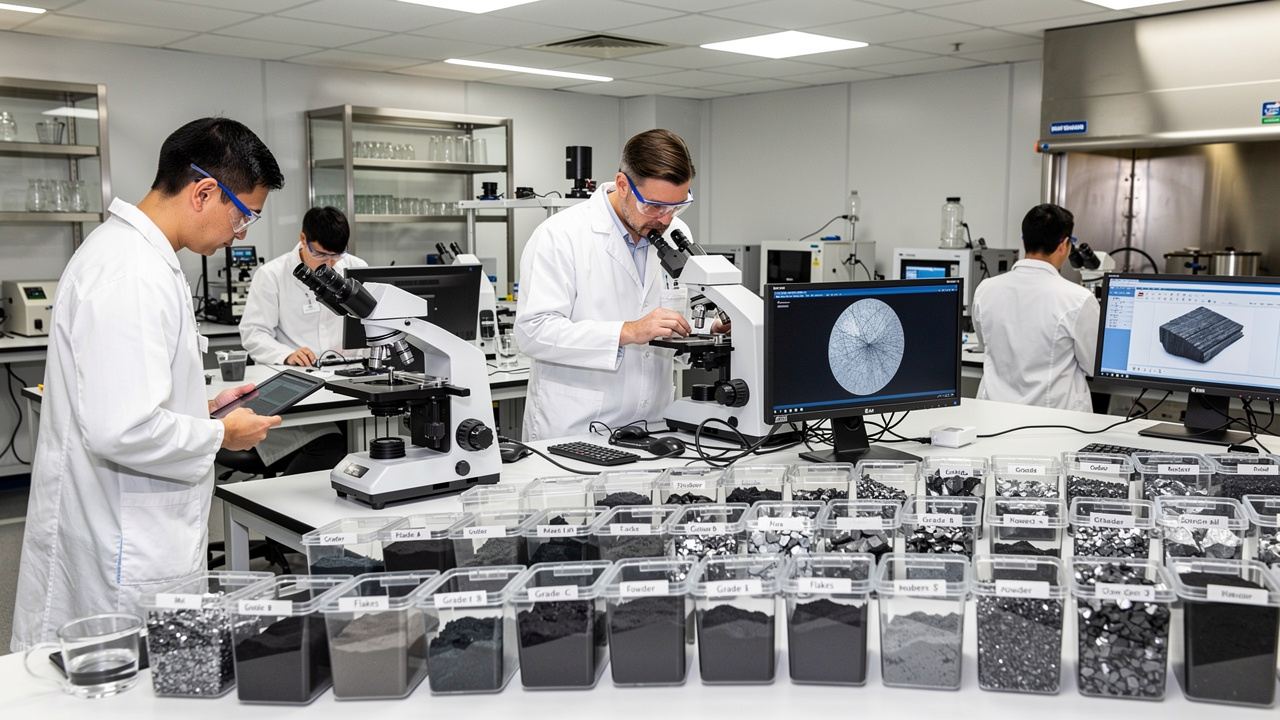
The foundation of any graphite procurement strategy is a rigorous evaluation of the geological asset. Not all graphite deposits are created equal. The mineralogy of the host rock determines how easily the graphite can be liberated and purified, directly impacting processing costs and final product quality.
Total Graphitic Carbon (TGC) levels at the source serve as the primary indicator of economic viability and processing efficiency. Higher head grades generally translate to lower processing costs and less environmental waste. A deposit with 8% TGC requires processing half the tonnage compared to a 4% TGC deposit to yield the same amount of graphite concentrate, dramatically reducing energy consumption, water usage, and tailings generation.
Flake size distribution is equally critical, as it dictates the end-use application and market value. Large, jumbo flakes are prized for expandability and use in refractories, fire retardants, and high-performance foils. Conversely, fine and medium flakes are the preferred feedstock for the spherical graphite used in battery anodes. A sourcing strategy must align the mine’s natural output with the specific technical requirements of the final product to maximize value and minimize waste.
Verify TGC Percentages and Impurity Profiles
Analyzing a lab report requires a keen eye for specific metallurgical data. The headline TGC number is important, but the impurity profile is where the real risk lies. Deleterious elements can sabotage battery performance even at trace levels.
Procurement teams must examine the levels of specific contaminants:
Iron impurities can cause internal short circuits in batteries if not removed during purification, leading to safety failures and thermal runaway events
High silica content increases wear on milling equipment, driving up processing costs and maintenance downtime
Sulfur compounds can create corrosive byproducts during thermal processing that damage equipment and compromise purity
High-grade Tanzanian deposits often boast TGC percentages ranging between 4% and 10%, with some premium zones exceeding these levels. This natural high grade allows for simpler flotation processes to achieve concentrate grades of 95-97% prior to final purification.
When evaluating a potential supplier, request detailed assay results that break down impurities by parts per million (ppm). A clean chemical profile at the concentrate stage significantly reduces the cost and complexity of the downstream chemical or thermal purification needed to reach battery-grade 99.95% purity. Look specifically for:
Iron content below 500 ppm
Silica below 2%
Sulfur below 0.05% in the concentrate
These thresholds are essential for efficient purification and reliable battery performance.
Analyze Flake Size Consistency
Consistency in flake size is a hallmark of a mature mining operation. Variations in mesh size can lead to significant yield losses during the spheronization process, where graphite flakes are rounded to pack more efficiently into a battery anode. Inconsistent sizing forces manufacturers to implement additional sorting and reprocessing steps, adding cost and complexity.
Buyers should demand a sieving analysis that categorizes production into standard industry sizes:
+32 Mesh (Jumbo): Essential for premium industrial applications and expandable graphite. These super jumbo flakes command the highest prices and are used in specialized thermal management applications.
+50 Mesh (Large): High value for thermal management and refractories. This size range is ideal for foundry applications and high-temperature crucibles.
+80 Mesh (Medium/Fine): The sweet spot for many battery anode precursors. This range provides the optimal balance of surface area and particle size for spheronization.
-100 Mesh (Fine): Often used in lubricants or lower-tier carbon products. While less valuable for batteries, fine fractions are essential for friction materials and industrial greases.
If a supplier cannot guarantee consistent distribution within these mesh sizes, the manufacturer faces increased costs in re-milling or rejecting off-spec material. A reliable partner delivers a distribution that matches the specific “tap density” and surface area requirements of the anode manufacturer’s proprietary formula. Leading Tanzanian operations achieve distributions where 75-80% of output falls into the large flake category (+100 mesh), providing exceptional value for battery applications.
Advanced Processing Techniques for Battery-Grade Purity
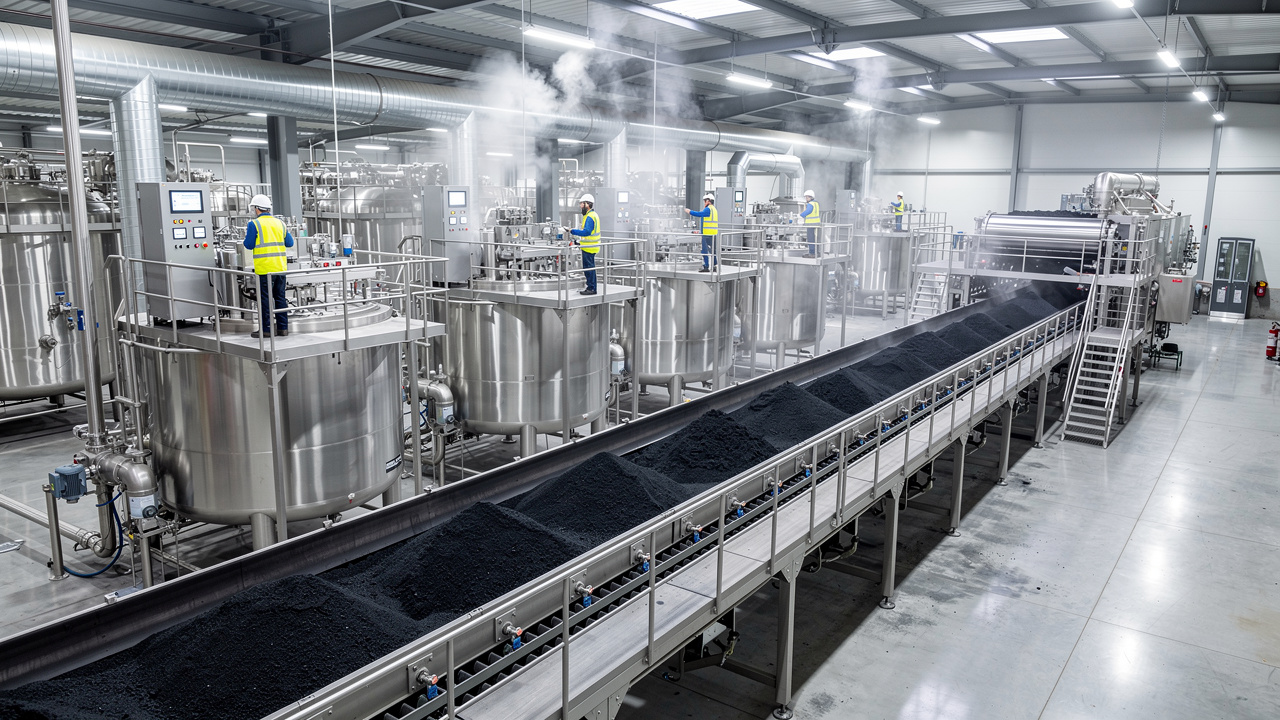
Reaching battery-grade specifications requires sophisticated processing beyond basic flotation. The path from raw ore to 99.95% purity involves multiple stages, each requiring precise control and specialized equipment. Understanding these processes helps procurement teams evaluate a supplier’s technical capabilities.
Modern Tanzanian operations employ multi-stage grinding systems designed to liberate graphite flakes without excessive breakage. Gentle grinding preserves the natural flake structure, which is critical for maintaining the material’s electrochemical properties. Rod mills and specialized impact crushers are used in sequence, with each stage monitored for particle size distribution to prevent over-grinding.
After liberation, the ore enters flotation circuits where graphite’s natural hydrophobicity is exploited. Specialized collectors like kerosene or ether glycol are added to improve the attachment of graphite particles to air bubbles. Multiple stages of flotation, often including rougher, scavenger, and cleaner circuits, progressively increase the carbon content from the initial 4-10% TGC to 95-97% concentrate.
For ore containing heavy minerals like mica or pyrite, gravity separation techniques are integrated. Hydrocyclones and spiral concentrators use density differences to remove these contaminants before flotation, improving the efficiency of subsequent processing stages.
The final step to battery-grade purity involves either thermal or chemical purification:
Thermal Purification heats the concentrate in specialized furnaces above 2,500°C. At these extreme temperatures, impurities vaporize while the graphite structure remains intact. This method is highly effective but energy-intensive, requiring careful integration with renewable power sources to maintain a low carbon footprint.
Chemical Purification uses acid and alkali baths to dissolve metal residues and mineral impurities. The process involves multiple stages of leaching, washing, neutralization, and drying. While more complex, chemical purification can achieve higher purity levels and is often preferred for the most demanding battery applications.
After purification, the material undergoes air classification and precision sieving to sort flakes by exact mesh size, with research on Upgrading graphite quality from Tanzanian deposits demonstrating the effectiveness of various beneficiation techniques in achieving battery-grade specifications. This final sizing step confirms that each batch meets the specific particle size distribution required by the customer’s anode manufacturing process.
“The quality of graphite feedstock determines the performance ceiling of your battery. You cannot engineer around poor raw materials.” — Battery Materials Research Consortium
Major Tanzanian Graphite Projects Reshaping Global Supply
Tanzania’s graphite sector is anchored by several world-class projects that are transitioning from exploration into full-scale production. Understanding the landscape of these operations provides context for sourcing decisions and long-term supply planning.
The Mahenge Graphite Project in Morogoro represents one of the most significant developments globally. Developed by Black Rock Mining in partnership with POSCO International, this project is expected to deliver up to 340,000 tonnes per annum of high-purity concentrate once fully operational. Commercial production is targeted for 2028, with long-term offtake agreements already securing a substantial portion of planned output. The project’s scale and backing from major industrial partners signal its importance in the global supply chain.
The Bunyu Graphite Project in Mtwara holds the distinction of being one of the world’s largest deposits, with an estimated 461 million tonnes of mineral resource. Volt Resources Ltd is developing this asset in two phases. Phase 1 targets production of 24,780 tonnes per annum, establishing operational capabilities and market relationships. Phase 2 scales dramatically to 170,000 tonnes per annum, positioning Bunyu as a cornerstone of global graphite supply for decades to come.
The Epanko Graphite Project, also in Morogoro, is recognized as Africa’s largest development-ready deposit. This joint venture between the Tanzanian government and EcoGraf Limited holds approximately 290.8 million tonnes at 7.2% TGC. Epanko’s strategic focus on battery anode material aligns perfectly with the EV revolution, and its vertically integrated approach provides quality control from pit to product.
In the Lindi Region, two projects are advancing rapidly. The Chilalo project, operated by Evolution Energy Minerals, contains a high-grade resource of 67.3 million tonnes and is on an accelerated development schedule with first ore mining targeted for October 2027. The Nachu project, despite facing some regulatory and financial challenges, remains a significant coarse flake resource estimated at 174 million tonnes under development by Magnis Energy Technologies.
The Tanga Region has emerged as a high-volume production hub with operational plants currently producing upwards of 25,000 tonnes per month. These facilities focus on high-purity flakes (95%+) with over 75-80% of material falling into the large flake category (+100 mesh), making them particularly attractive for battery applications.
These projects collectively represent Tanzania’s transformation from an emerging supplier to a strategic global powerhouse. For procurement managers, the diversity of projects at various stages of development provides options for both immediate supply needs and long-term strategic partnerships.
Assess Logistics and Port Proximity to Minimize Costs

The geology of a mine means little if the economics of transport render the project unviable. Graphite is a high-volume commodity, meaning inland transport costs can rapidly erode margins. A comprehensive logistics strategy must account for every kilometer between the mine gate and the customer’s receiving dock.
Tanzania offers a distinct logistical advantage compared to landlocked alternatives in the region. The country’s coastline provides access to major shipping routes, and ongoing infrastructure investments are improving connectivity between mining regions and export hubs. However, the specific location of a mine relative to export infrastructure remains the single biggest variable in the landed cost of goods.
Operations situated hundreds of kilometers inland face compounding risks from fuel price volatility, road maintenance issues, and transit delays. A single breakdown or seasonal road closure can cascade into weeks of supply disruption. Proximity to the Port of Dar es Salaam, Tanzania’s primary commercial gateway, is a major competitive differentiator. It simplifies the supply chain, reduces working capital tied up in transit, and lowers the Scope 3 emissions associated with getting the product to market.
Map the Transport Route from Mine to Export Hub
Strategic sourcing requires a granular analysis of the route from the mine gate to the vessel. Procurement officers should map the exact distance, road conditions, and alternative transport options to fully understand the logistics risk profile.
Consider a scenario where Mine A is located 800 kilometers from the port on mixed-quality roads, while Mine B is 200 kilometers away on a paved national highway. Mine A will incur significantly higher trucking costs, likely requiring a larger fleet to maintain the same throughput. The increased distance also multiplies the risk of delays from mechanical failures, weather events, or traffic congestion.
Rail access creates another layer of efficiency and sustainability. The revitalization of Tanzania’s railway infrastructure offers a cost-effective alternative to road transport for bulk minerals. Rail transport typically costs 30-50% less per tonne-kilometer than trucking and significantly reduces carbon emissions. A comprehensive logistics audit must confirm whether the mine has direct access to rail sidings or if a multi-modal “truck-to-rail” transfer is required. Every transfer point introduces potential for breakage, loss, or delay.
The Tanga region benefits from proximity to the Port of Tanga, which handles significant mineral exports and offers shorter inland transport distances. The Mtwara region has access to the Port of Mtwara, which is being upgraded to handle increased mineral traffic. Operations near these regional ports can achieve substantial logistics advantages over those relying solely on Dar es Salaam.
When evaluating a supplier’s logistics capabilities, request detailed information on:
Fleet capacity and redundancy: How many trucks are dedicated to the operation? What backup systems exist for breakdowns?
Road maintenance agreements: Does the company invest in maintaining the access roads it depends on?
Fuel hedging strategies: How does the supplier manage fuel price volatility?
Transit time tracking: What systems are in place to monitor shipments and respond to delays?
Calculate Shipping Lead Times to US and European Markets
Once the material reaches the port, the focus shifts to export logistics. The Port of Dar es Salaam serves as a major gateway for East Africa, handling a significant volume of containerized cargo. Understanding the export process and typical lead times is essential for inventory planning and production scheduling.
The export process typically involves:
Customs Clearance: Verification of mineral rights, royalty payments, and export permits. Tanzania’s modernized regulatory framework has streamlined this process, but documentation must be precise to avoid delays.
Warehousing: Staging material prior to vessel arrival. Proper warehousing protects the product from moisture and contamination while awaiting shipment.
Vessel Booking: Securing container slots on major shipping lines. During peak seasons or global logistics disruptions, container availability can become a bottleneck.
A strategic location near the port hub insulates the supply chain from inland bottlenecks. If a shipment misses a sailing window due to a truck breakdown 600km away, the delay can cascade into weeks. A mine closer to the port can recover faster, often loading material onto the next available vessel within days rather than weeks.
Typical ocean freight times from Dar es Salaam to major US ports range from 25-35 days, depending on the specific routing and transshipment points. Shipments to Savannah, Georgia—a major hub for automotive and industrial imports—typically take 28-32 days via the Suez Canal route. European destinations like Rotterdam or Hamburg can be reached in 20-25 days.
Buyers need accurate lead time calculations to manage inventory levels at their manufacturing facilities. A reliable Tanzanian partner will provide transparent schedules, factoring in both inland transit (typically 2-5 days for well-located operations) and ocean freight times. Building a 60-90 day supply buffer is standard practice, but this can be reduced with suppliers who demonstrate consistent on-time performance.
Audit ESG Standards and Supply Chain Transparency
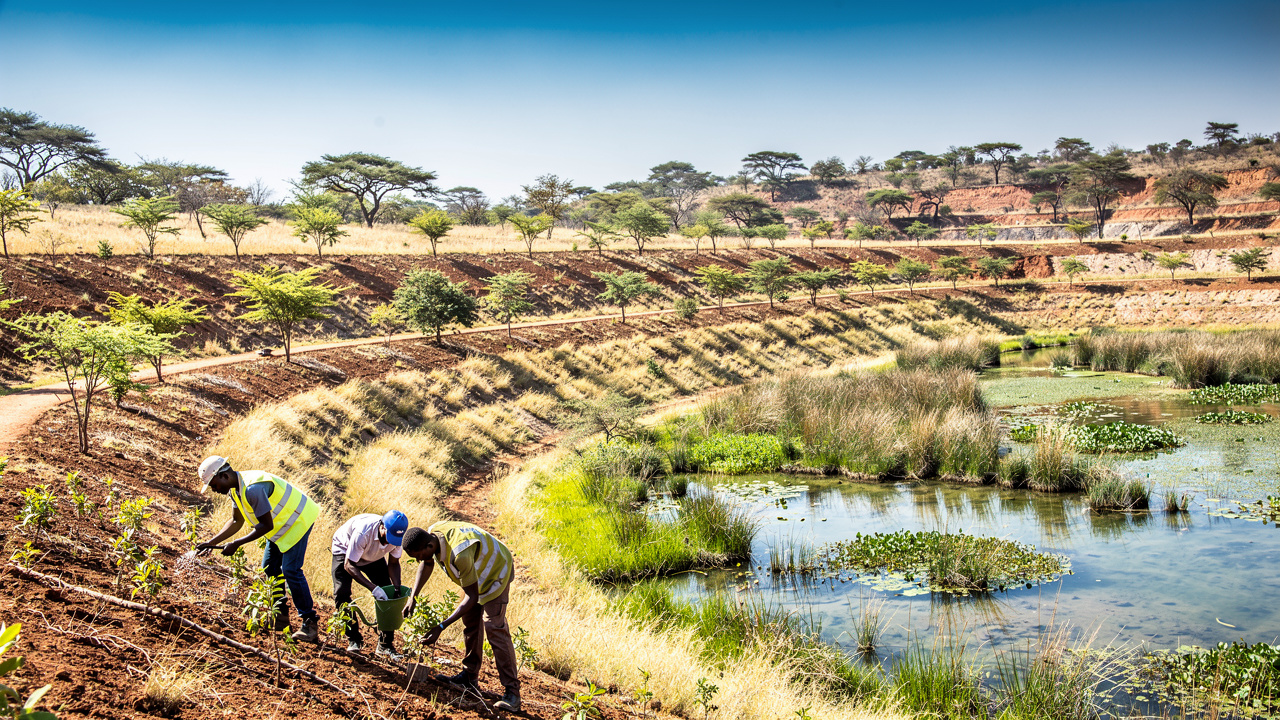
The era of “don’t ask, don’t tell” sourcing is over. Battery manufacturers, automakers, and institutional investors now operate under strict mandates to verify their supply chains are free from unethical labor practices and environmental degradation. The reputational and financial risks of non-compliance are severe, making ESG due diligence a non-negotiable component of supplier selection.
Tanzania graphite must meet rigorous Environmental, Social, and Governance (ESG) standards to be eligible for use in Western markets. This is particularly relevant for companies seeking to qualify for subsidies or tax credits under regulations like the US Inflation Reduction Act, which requires compliant critical mineral sourcing. European battery regulations similarly mandate supply chain transparency and sustainability.
Investors and buyers must look beyond corporate policy documents and audit the on-the-ground reality. Risks associated with sourcing from operations with poor community relations can lead to reputational damage, supply disruptions from social unrest, and potential legal liability. A comprehensive ESG audit should be conducted before finalizing any long-term supply agreement.
Review Environmental Management Plans
Responsible mining operations integrate environmental stewardship into their core business model, not as an afterthought. Buyers should request and review the mine’s Environmental and Social Impact Assessment (ESIA) and its active management plans. These documents reveal the company’s commitment to minimizing ecological impact.
Key areas of scrutiny include:
Water Management: Does the operation recycle process water? Is there a zero-discharge policy to protect local aquifers? Modern operations implement closed-loop water systems that recycle over 90% of process water, dramatically reducing freshwater consumption and preventing contamination of local water sources.
Tailings Storage: How is waste rock managed? Modern dry-stacking methods are preferred over wet tailings dams to minimize failure risks. Dry stacking reduces the footprint of tailings facilities and eliminates the risk of catastrophic dam failures that have plagued the mining industry.
Dust Control: What measures are in place to prevent graphite dust from affecting nearby vegetation and communities? Effective dust suppression systems, including water sprays, wind barriers, and covered conveyors, protect both workers and neighboring populations.
Energy Sources: What percentage of power comes from renewable sources? Operations integrating solar, wind, or hydroelectric power demonstrate a commitment to reducing carbon emissions. Tanzania’s abundant solar resources make renewable integration particularly feasible.
Land Rehabilitation: What is the progressive reclamation plan? Leading operators begin rehabilitating mined areas immediately, rather than waiting until closure. This approach minimizes the long-term environmental footprint and demonstrates responsible stewardship.
Alignment with international frameworks, such as the IFC Performance Standards or the Initiative for Responsible Mining Assurance (IRMA), signals a mature approach to environmental risk. A supplier that cannot demonstrate these controls is a liability that could jeopardize your company’s sustainability commitments and market access.
Confirm Local Employment and Economic Impact
Social license to operate is as critical as the mining license itself. A sustainable project must demonstrate tangible benefits to the local Tanzanian workforce and community. Operations that fail to build positive relationships with local stakeholders face increased risk of disruptions, protests, and regulatory intervention.
This goes beyond simple job creation. Look for evidence of:
Skills Transfer: Technical training programs that prepare local workers for management and engineering roles. Leading operations establish training centers that provide certifications in equipment operation, metallurgy, and mine management. This investment builds local capacity and provides a skilled workforce for long-term operations.
Infrastructure Development: Investment in local roads, power grids, or water systems that benefit the broader community. When a mining company upgrades a regional road or builds a power line, the benefits extend far beyond the mine gate, improving quality of life for entire communities.
Local Procurement: Policies that prioritize purchasing goods and services from Tanzanian businesses. This multiplies the economic impact of mining operations, creating jobs and business opportunities throughout the supply chain.
Community Development Programs: Support for schools, healthcare facilities, and economic diversification initiatives. Responsible operators invest in the long-term prosperity of their host communities, recognizing that their success is intertwined with local well-being.
Transparent Grievance Mechanisms: Systems that allow community members to raise concerns and receive timely responses. Open communication channels prevent small issues from escalating into major conflicts.
Companies that actively invest in their region enjoy greater stability and local support, insulating operations from social unrest. This commitment serves as a leading indicator of long-term reliability. The Tanzanian government’s requirement for a 16% equity stake in mining projects confirms that the national interest is represented, creating additional accountability and alignment between operators and the country’s development goals.
Traceability and Blockchain Integration in Modern Supply Chains
As supply chain transparency becomes a regulatory requirement rather than a competitive advantage, leading Tanzanian graphite suppliers are implementing advanced traceability systems. Blockchain technology and third-party audits now provide unprecedented visibility into the path of minerals from extraction to end use.
Blockchain-based traceability systems create an immutable record of each batch of graphite as it moves through the supply chain. Every transaction—from the mine to the processing plant, from the warehouse to the shipping container—is recorded on a distributed ledger that cannot be altered retroactively. This technology addresses a critical vulnerability in traditional supply chains: the ability to substitute or mislabel materials at intermediate steps.
For battery manufacturers facing regulatory scrutiny, blockchain traceability provides verifiable proof of origin. When a customer or regulator asks, “Where did this graphite come from?” the answer is backed by cryptographic certainty rather than paper documentation that can be forged or lost. This level of transparency is increasingly required to access premium markets and qualify for government incentives.
Third-party audits complement technological approaches by providing independent verification of ESG claims. Organizations like the Geological Survey of Tanzania (GST) and international certification bodies conduct regular inspections of mining operations, processing facilities, and community engagement programs. These audits verify that operations meet ISO/IEC 17025 standards for quality management and comply with international labor and environmental standards.
The combination of blockchain traceability and independent audits creates a “trust but verify” system that protects buyers from reputational risk. When selecting a Tanzanian graphite supplier, prioritize those who have implemented these advanced transparency measures. The upfront investment in traceability systems signals a commitment to long-term market access and regulatory compliance.
Industrial Applications Beyond Battery Anodes
While lithium-ion battery anodes drive the majority of high-purity graphite demand, understanding the full range of industrial applications helps procurement teams appreciate the versatility of Tanzanian graphite and identify potential secondary revenue streams or alternative markets during demand fluctuations.
Metallurgy and Foundry Applications represent a substantial and stable market. High-purity graphite serves as a carbon additive in steelmaking, where it adjusts the carbon content of molten metal with precision. In foundries, graphite is used for mold coatings that prevent metal adhesion and improve surface finish. The material’s thermal resistance makes it ideal for crucibles and refractory linings, including furnace bricks and tundish coatings that must withstand temperatures exceeding 1,500°C.
Automotive Friction Materials utilize fine mesh graphite powder in brake linings and clutch facings. The material provides temperature control and noise reduction while resisting wear. As vehicles become heavier due to battery packs, the demand for high-performance friction materials increases, creating a growing market for specialty graphite grades.
Advanced Industrial Lubricants exploit graphite’s lamellar structure to reduce friction and improve heat dissipation. The material is used in high-temperature greases, dry lubricants, and anti-seize compounds for heavy machinery and metalworking. These applications value the chemical inertness and thermal stability that Tanzanian graphite provides.
Expandable Graphite and Foils take advantage of the large flake sizes that Tanzanian deposits produce in abundance. Jumbo flakes can be chemically treated to create expandable graphite, which is used in fire retardants, gaskets, and thermal management systems. Graphite foil, produced by compressing expanded graphite, serves in high-performance seals for the chemical processing and power generation industries.
Conductive Coatings and Composites incorporate fine graphite particles to create electrically conductive paints, coatings, and polymer composites. These materials are used in electromagnetic shielding, static dissipation, and heating elements.
Understanding these applications allows procurement teams to structure supply agreements that accommodate market fluctuations. A supplier with the flexibility to adjust mesh size distributions and purity levels can serve multiple markets, providing greater supply security during periods of battery market volatility.
Sourcing Tanzania Graphite Through Integrated Models
Navigating the complexities of geology, logistics, and ESG compliance leads many buyers toward vertically integrated partners. Chrome Mining Limited (https://chrome-mining.com) represents an approach designed to address the fragmentation typical of the mineral market, offering a streamlined “mine-to-market” model.
Their integrated model eliminates the layers of intermediaries that traditionally inflate costs and obscure provenance. By controlling the entire value chain—from extraction and beneficiation to refining and export—Chrome Mining Limited provides a secure chain of custody that meets the most stringent traceability requirements.
In a traditional, fragmented model, an anode manufacturer might buy concentrate from a mine, pay a third-party logistics firm to move it, and then contract a separate refinery to purify it. This approach introduces multiple points of failure, each adding cost and complexity. Material quality can vary as it passes through different handlers, and the lack of direct communication between stages creates inefficiencies.
Chrome Mining Limited addresses the issue of inconsistent purity by managing the processing parameters in-house. This allows for real-time adjustments to the flotation circuits to maintain specific carbon grades. When a customer requires a particular mesh size distribution or purity specification, the integrated operation can optimize every stage of processing to deliver exactly what’s needed.
The strategic advantages of their Tanzanian operations include:
Direct Logistics: Located near the Port of Dar es Salaam, the operation minimizes inland transport risks and accelerates export timelines. This proximity reduces the carbon footprint of transport while improving supply chain reliability.
Battery-Grade Focus: Production is optimized for high-purity flake graphite, specifically targeting the specifications required for anode precursors. This specialization confirms that every batch meets the demanding standards of lithium-ion battery manufacturers.
ESG Compliance: The company adheres to strict international standards, verifying that material meets the ethical sourcing mandates of global automotive OEMs. Regular third-party audits verify compliance with labor, environmental, and governance standards.
Scalability: The resource base supports a phased expansion plan, allowing production volumes to grow in lockstep with a client’s increasing industrial demand. This scalability provides long-term supply security as the EV market expands.
Technical Support: The integrated model includes metallurgical expertise that helps customers optimize their anode formulations. This collaborative approach creates value beyond simple material supply.
Consider a scenario where an anode manufacturer requires 10,000 tonnes per annum of -100 mesh graphite with a purity of 96% TGC. Through a long-term offtake agreement with Chrome Mining Limited, the manufacturer locks in a fixed specification. The integrated model allows the mine to prioritize that specific mesh size during the crushing and grinding stages, providing consistent yield without the waste associated with reprocessing off-spec material.
This direct relationship removes market volatility and technical uncertainty. The manufacturer gains predictable pricing, guaranteed specifications, and transparent traceability. The supplier benefits from stable demand that justifies capital investment in processing optimization. Contact Chrome Mining Limited to discuss your graphite procurement needs.
Who Benefits Most from This Vertically Integrated Approach
Specific sectors of the industrial economy stand to gain the most from shifting to a direct, integrated sourcing model. These professionals require stability, quality, and transparency above all else, making the vertically integrated approach particularly valuable.
EV Battery Manufacturers face intense pressure to scale production while maintaining safety and performance standards. These companies require material with low ash content and specific impurity profiles to verify battery safety and longevity. A single batch of contaminated graphite can compromise an entire production run, making supply chain reliability paramount. The integrated model provides the consistency and traceability that battery manufacturers need to meet automotive OEM requirements.
Industrial Procurement Officers tasked with reducing landed costs benefit from the streamlined logistics and reduced overhead of a mine-to-market partner. By eliminating intermediary markups and minimizing transport distances, the integrated model delivers superior value. Procurement teams also gain simplified vendor management, dealing with a single partner rather than coordinating between multiple suppliers, logistics providers, and refiners.
Institutional Investors seeking exposure to the green energy transition need assets that are de-risked through stable operations and verified ESG credentials. Private equity and venture capital firms increasingly recognize that supply chain security is a critical component of battery industry valuations. Investments in vertically integrated graphite suppliers offer exposure to the EV boom while mitigating the operational risks associated with fragmented supply chains.
Supply Chain Partners including logistics firms and trading companies require transparent mineral origins to satisfy compliance audits and cross-border regulatory frameworks. The traceability provided by integrated operations simplifies due diligence and reduces the risk of inadvertently handling conflict minerals or materials from non-compliant sources.
Steel and Metallurgy Companies benefit from the consistency and purity of graphite produced through controlled processing. These industries require specific carbon grades for their applications, and the ability to customize specifications through direct partnerships with integrated suppliers provides competitive advantages in product quality and process efficiency.
Advanced Materials Companies developing next-generation applications for graphite—from thermal management systems to conductive composites—need suppliers who can provide technical collaboration and material customization. The integrated model’s flexibility in adjusting processing parameters enables innovation that would be impossible with commodity spot purchases.
Does Your Current Graphite Supply Meet Global ESG and Purity Standards?
The transition to green energy is reshaping the raw material market at an unprecedented pace. Reliance on opaque, fragmented supply chains is no longer a viable strategy for serious manufacturers. Securing a reliable stream of high-purity Tanzania graphite is essential for mitigating risk and providing production stability in an increasingly competitive market.
Success depends on partnering with operators who understand the technical nuances of carbon material and the logistical realities of East Africa. The geological advantages of Tanzanian deposits—high natural grades, favorable flake distributions, and stable crystalline structures—provide a foundation for superior battery performance. But geology alone is insufficient without the processing expertise, logistics infrastructure, and ESG compliance that modern markets demand.
By choosing a vertically integrated partner, buyers gain control over quality, cost, and compliance. The transparency provided by mine-to-market operations addresses regulatory requirements while the elimination of intermediaries reduces costs and improves reliability. The ability to customize specifications and receive technical support creates value that extends beyond simple commodity transactions.
The market for critical minerals is tightening as the EV revolution accelerates. Tanzania’s production is projected to quadruple by 2040, but early movers who establish strategic partnerships now will secure the most favorable terms and the most reliable supply. Waiting until supply constraints emerge puts companies at a competitive disadvantage, potentially facing higher prices, longer lead times, and reduced access to premium material grades.
“In the battery materials sector, your supply chain is your competitive moat. Companies that control their upstream sources will dominate the next decade.” — Critical Minerals Investment Forum
Establishing a relationship with a scalable, transparent producer now will define competitive advantage in the coming decade. The companies that thrive in the battery revolution will be those who recognized the strategic importance of supply chain security and acted decisively to secure it. Reach out to the sales team at Chrome Mining Limited to review a detailed mineral profile and discuss how scalable sourcing can support your production goals. Request a lab analytical report from Chrome Mining Limited to begin evaluating how high-purity Tanzania graphite can strengthen your supply chain and improve your competitive position in the rapidly evolving battery market.