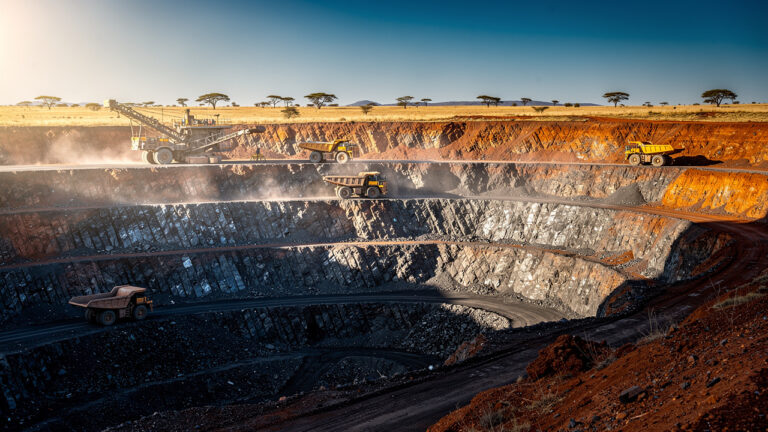
The global battery supply chain is undergoing a fundamental restructuring. Manufacturers and investors are aggressively diversifying away from single-region dominance to secure the raw materials essential for the green energy transition. Tanzania has emerged as a critical player in this shift, offering vast, high-grade graphite deposits that offer an alternative to traditional sources.
For anode producers, the objective is precise: obtaining a reliable supply of carbon that reaches 99.9% purity after refining. This standard is non-negotiable for the lithium-ion batteries powering electric vehicles (EVs). [Fact: According to the International Energy Agency, graphite demand for EV batteries is projected to grow by 20-30 times between 2020 and 2030].
Securing this material requires more than just identifying a mine on a map. Success involves building a shortened, transparent supply chain that minimizes shipping delays and drastically reduces the carbon footprint associated with raw material transport. The challenge lies not in finding graphite—which is abundant—but in securing refined, battery-grade material capable of performing under intense thermal and electrochemical stress.
Most procurement officers encounter difficulties distinguishing between low-purity industrial ore and the specific flake structures required for high-performance applications. Without a strategic approach to sourcing, manufacturers risk supply bottlenecks and inconsistent material quality that can derail production timelines.
Evaluate Geological Quality and Flake Size Distributions
The foundation of any graphite procurement strategy is a rigorous evaluation of the geological asset. Not all graphite deposits are created equal. The mineralogy of the host rock determines how easily the graphite can be liberated and purified.
Total Graphitic Carbon (TGC) levels at the source serve as the primary indicator of economic viability and processing efficiency. Higher head grades generally translate to lower processing costs and less environmental waste.
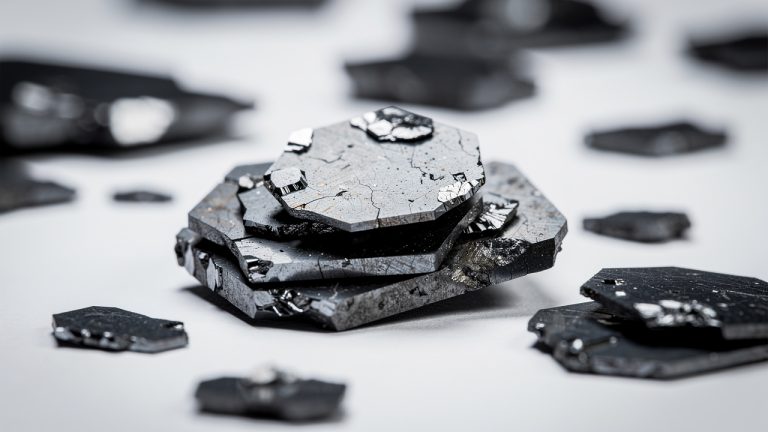
Flake size distribution is equally critical, as it dictates the end-use application. Large, jumbo flakes are prized for expandability and use in refractories or fire retardants. Conversely, fine and medium flakes are the preferred feedstock for the spherical graphite used in battery anodes. A sourcing strategy must align the mine’s natural output with the specific technical requirements of the final product.
Verify TGC Percentages and Impurity Profiles
Analyzing a lab report requires a keen eye for specific metallurgical data. The headline TGC number is important, but the impurity profile is where the real risk lies.
Procurement teams must examine the levels of deleterious elements such as sulfur, iron, and silica. Iron impurities, for instance, can cause internal short circuits in batteries if not removed during purification. High silica content increases wear on milling equipment, driving up processing costs.
[Fact: High-grade Tanzanian deposits often boast TGC percentages ranging between 4% and 10%].
This natural high grade allows for simpler flotation processes to achieve concentrate grades of 95-97% prior to final purification. When evaluating a potential supplier, request detailed assay results that break down impurities by parts per million (ppm). A clean chemical profile at the concentrate stage significantly reduces the cost and complexity of the downstream chemical or thermal purification needed to reach battery-grade 99.95% purity.
Analyze Flake Size Consistency
Consistency in flake size is a hallmark of a mature mining operation. Variations in mesh size can lead to significant yield losses during the spheronization process, where graphite flakes are rounded to pack more efficiently into a battery anode.
Buyers should demand a sieving analysis that categorizes production into standard industry sizes. A robust checklist for evaluating this data includes:
+32 Mesh (Jumbo): Essential for premium industrial applications and expandable graphite.
+50 Mesh (Large): High value for thermal management and refractories.
+80 Mesh (Medium/Fine): The sweet spot for many battery anode precursors.
-100 Mesh (Fine): often used in lubricants or lower-tier carbon products.
If a supplier cannot guarantee consistent distribution within these mesh sizes, the manufacturer faces increased costs in re-milling or rejecting off-spec material. [Internal Link: Link to article on graphite processing techniques]. A reliable partner delivers a distribution that matches the specific “tap density” and surface area requirements of the anode manufacturer’s proprietary formula.
Assess Logistics and Port Proximity to Minimize Costs
The geology of a mine means little if the economics of transport render the project unviable. Graphite is a high-volume commodity, meaning inland transport costs can rapidly erode margins.
Tanzania offers a distinct logistical advantage compared to landlocked alternatives in the region. However, the specific location of a mine relative to export infrastructure is the single biggest variable in the landed cost of goods. Operations situated hundreds of kilometers inland face compounding risks from fuel price volatility, road maintenance issues, and transit delays.
Proximity to the Port of Dar es Salaam is a major competitive differentiator. It simplifies the supply chain, reduces working capital tied up in transit, and lowers the Scope 3 emissions associated with getting the product to market.
Map the Transport Route from Mine to Export Hub
Strategic sourcing requires a granular analysis of the route from the mine gate to the vessel. Procurement officers should map the exact distance and road conditions.
Consider a scenario where Mine A is located 800 kilometers from the port on mixed-quality roads, while Mine B is 200 kilometers away on a paved national highway. Mine A will incur significantly higher trucking costs, likely requiring a larger fleet to maintain the same throughput.
Rail access creates another layer of efficiency. The revitalization of Tanzania’s railway infrastructure offers a cost-effective alternative to road transport for bulk minerals. A comprehensive logistics audit must confirm whether the mine has direct access to rail sidings or if a multi-modal “truck-to-rail” transfer is required. Every transfer point introduces potential for breakage, loss, or delay.
Calculate Shipping Lead Times to US and European Markets
Once the material reaches the port, the focus shifts to export logistics. The Port of Dar es Salaam serves as a major gateway for East Africa, handling a significant volume of containerized cargo.
The export process typically involves:
Customs Clearance: Verification of mineral rights, royalty payments, and export permits.
Warehousing: Staging material prior to vessel arrival.
Vessel Booking: Securing container slots on major shipping lines.
A strategic location near the hub insulates the supply chain from inland bottlenecks. If a shipment misses a sailing window due to a truck breakdown 600km away, the delay can cascade into weeks. A mine closer to the port can recover faster.
[External Link: Find a shipping time estimate from Dar es Salaam to a major US port like Savannah].
Buyers need accurate lead time calculations to manage inventory levels at their manufacturing facilities. A reliable Tanzanian partner will provide transparent schedules, factoring in both inland transit and ocean freight times to US or European ports.
Audit ESG Standards and Supply Chain Transparency
The era of “don’t ask, don’t tell” sourcing is over. Battery manufacturers, automakers, and institutional investors now operate under strict mandates to ensure their supply chains are free from unethical labor practices and environmental degradation.
Tanzania graphite must meet rigorous Environmental, Social, and Governance (ESG) standards to be eligible for use in Western markets. This is particularly relevant for companies seeking to qualify for subsidies or tax credits that require compliant critical mineral sourcing.
Investors and buyers must look beyond corporate policy documents and audit the on-the-ground reality. Risks associated with sourcing from conflict zones or operations with poor community relations can lead to reputational damage and supply disruptions.
Review Environmental Management Plans
Responsible mining operations integrate environmental stewardship into their core business model. Buyers should request and review the mine’s Environmental and Social Impact Assessment (ESIA) and its active management plans.
Key areas of scrutiny include:
Water Management: Does the operation recycle process water? Is there a zero-discharge policy to protect local aquifers?
Tailings Storage: How is waste rock managed? Modern dry-stacking methods are preferred over wet tailings dams to minimize failure risks.
Dust Control: What measures are in place to prevent graphite dust from affecting nearby vegetation and communities?
Alignment with international frameworks, such as the IFC Performance Standards, signals a mature approach to environmental risk. A supplier that cannot demonstrate these controls is a liability.
Confirm Local Employment and Economic Impact
Social license to operate is as critical as the mining license itself. A sustainable project must demonstrate tangible benefits to the local Tanzanian workforce and community.
This goes beyond simple job creation. Look for evidence of:
Skills Transfer: Technical training programs that prepare local workers for management and engineering roles.
Infrastructure Development: Investment in local roads, power grids, or water systems that benefit the broader community.
Local Procurement: Policies that prioritize purchasing goods and services from Tanzanian businesses.
Companies that actively invest in their region enjoy greater stability and local support, insulating operations from social unrest. This commitment serves as a leading indicator of long-term reliability.
Sourcing Tanzania Graphite Through Integrated Models
Navigating the complexities of geology, logistics, and ESG compliance leads many buyers toward vertically integrated partners. Chrome Mining Limited (https://chrome-mining.com) represents a solution designed to address the fragmentation typical of the mineral market.
Their “mine-to-market” model eliminates the layers of intermediaries that traditionally inflate costs and obscure provenance. By controlling the entire value chain—from extraction and beneficiation to refining and export—Chrome Mining Limited ensures a secure chain of custody.
In a traditional, fragmented model, an anode manufacturer might buy concentrate from a mine, pay a third-party logistics firm to move it, and then contract a separate refinery to purify it. This approach introduces multiple points of failure. It often results in [Fact: Find a statistic on typical cost increases or delays caused by fragmented supply chains].
Chrome Mining Limited solves the issue of inconsistent purity by managing the processing parameters in-house. This allows for real-time adjustments to the flotation circuits to maintain specific carbon grades.
The strategic advantages of their Tanzanian operations include:
Direct Logistics: Located near the Port of Dar es Salaam, the operation minimizes inland transport risks and accelerates export timelines.
Battery-Grade Focus: Production is optimized for high-purity flake graphite, specifically targeting the specifications required for anode precursors.
ESG Compliance: The company adheres to strict international standards, ensuring that material meets the ethical sourcing mandates of global automotive OEMs.
Scalability: The resource base supports a phased expansion plan, allowing production volumes to grow in lockstep with a client’s increasing industrial demand.
Consider a scenario where an anode manufacturer requires 10,000 tonnes per annum of -100 mesh graphite with a purity of 96% TGC. Through a long-term offtake agreement with Chrome Mining Limited, the manufacturer locks in a fixed specification. The integrated model allows the mine to prioritize that specific mesh size during the crushing and grinding stages, ensuring consistent yield.
This direct relationship removes market volatility and technical uncertainty. [CTA: Contact Chrome Mining Limited to discuss your graphite procurement needs].
Who Benefits Most from This Vertically Integrated Approach
Specific sectors of the industrial economy stand to gain the most from shifting to a direct, integrated sourcing model. These professionals require stability, quality, and transparency above all else.
EV Battery Manufacturers: These companies require material with low ash content and specific impurity profiles to ensure battery safety and longevity.
Industrial Procurement Officers: Professionals tasked with reducing landed costs benefit from the streamlined logistics and reduced overhead of a mine-to-market partner.
Institutional Investors: Private equity and venture capital firms seeking exposure to the green energy transition need assets that are de-risked through stable operations and verified ESG credentials.
Supply Chain Partners: Logistics and trading firms require transparent mineral origins to satisfy compliance audits and cross-border regulatory frameworks.
Does Your Current Graphite Supply Meet Global ESG and Purity Standards?
The transition to green energy is reshaping the raw material landscape. Reliance on opaque, fragmented supply chains is no longer a viable strategy for serious manufacturers. Securing a reliable stream of high-purity Tanzania graphite is essential for mitigating risk and ensuring production stability.
Success depends on partnering with operators who understand the technical nuances of carbon material and the logistical realities of East Africa. By choosing a vertically integrated partner, buyers gain control over quality, cost, and compliance.
The market for critical minerals is tightening. Establishing a relationship with a scalable, transparent producer now will define competitive advantage in the coming decade. Reach out to the sales team at Chrome Mining Limited to review a detailed mineral profile and discuss how scalable sourcing can support your production goals. [CTA: Request a lab analytical report from Chrome Mining Limited].